Home / The Issues

KEY CONCERNS

Explore the Issues

Six questions every Pocono community should ask before approving a data center — and what the actual projects proposed in our region tell us so far. For each, we separate what's established from what depends on the specific project.

ISSUE 01 · FORESTS & LAND USE

Large footprints, often on forest or farmland.

A full campus can require substantial acreage. Where that land is wooded, agricultural, or environmentally sensitive, development can mean habitat loss, new impervious surface, and fragmentation.

WHAT WE KNOW
Clearing land for large buildings, roads, and utilities removes habitat and adds impervious surface that changes stormwater runoff.
WHAT VARIES
How much forest or farmland is affected depends on the site chosen and how much of the parcel is actually developed.
LOCAL CONTEXT
WVIA reports an eight-building campus on roughly 100 acres within a larger ~520-acre overlay district. Residents are challenging the zoning ordinance.
~100 acres — initial Glacial Till campus
proposal, within a larger property
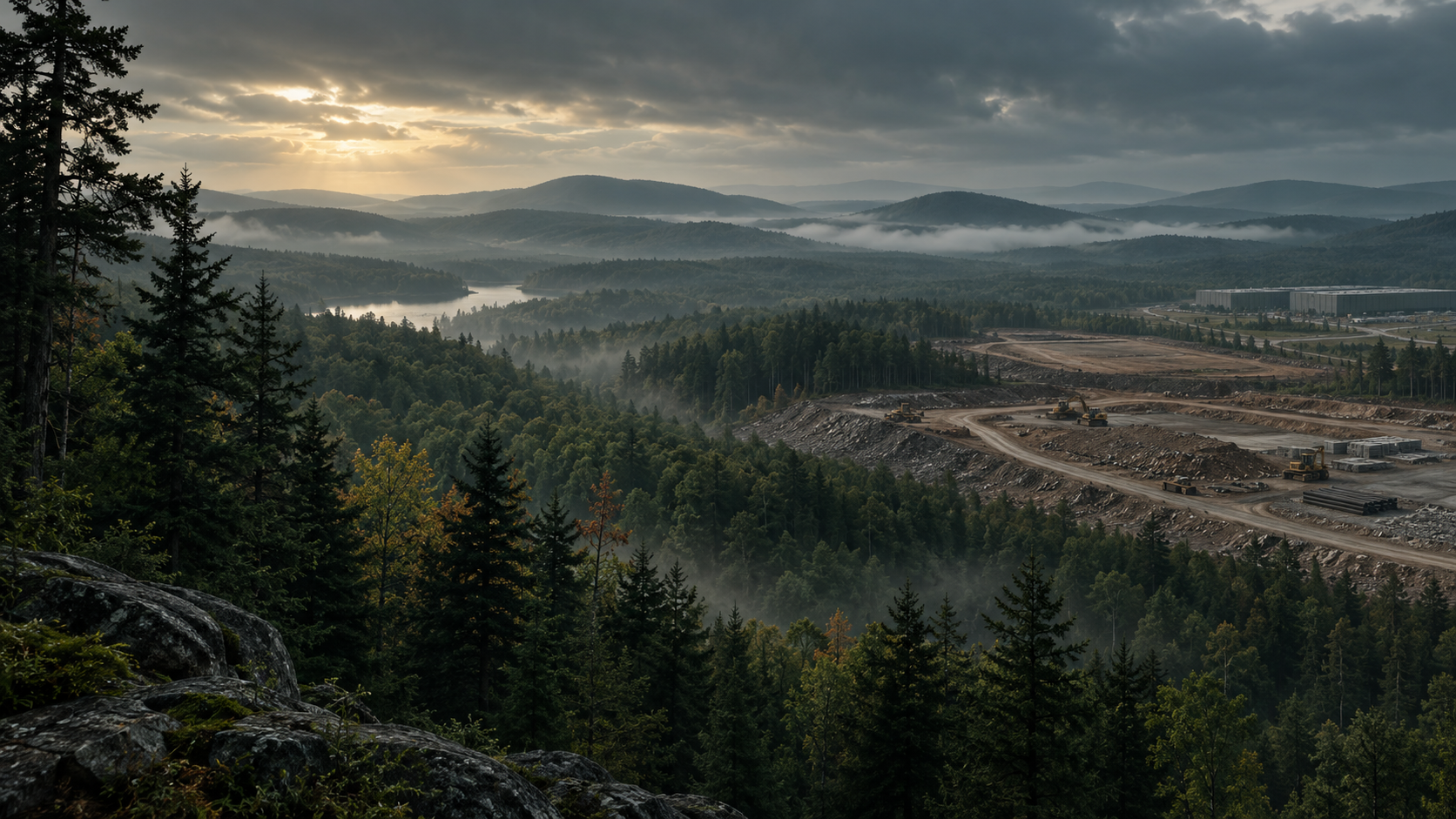
Illustration: data center construction clearing forest above a Pocono valley
Illustration · not a specific project or site
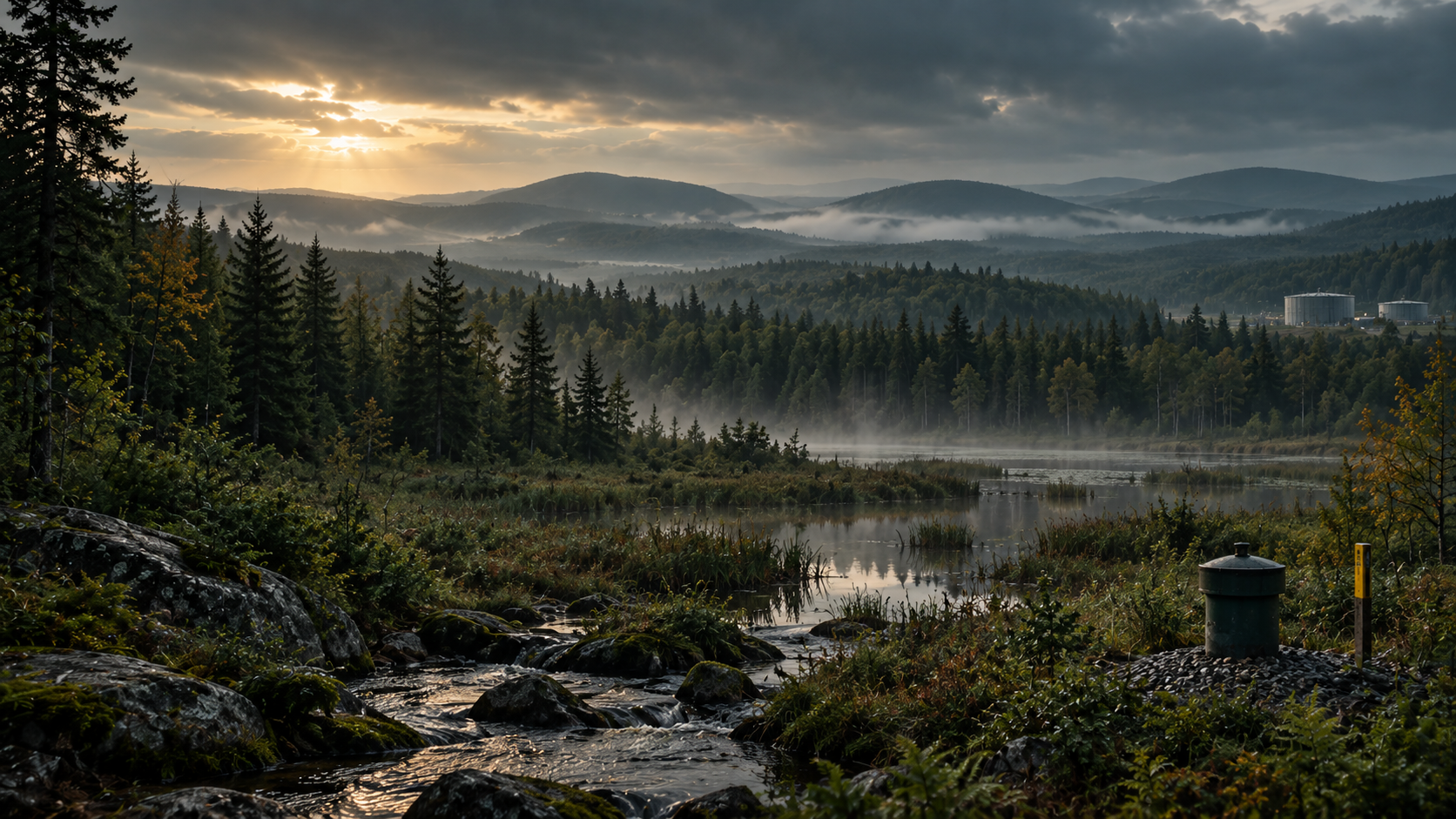
Illustration: stream and wetland with storage tanks in the distance
Illustration · not a specific project or site
ISSUE 02 · WATER & WELLS

Cooling that can draw on local water.

How much water a facility uses depends heavily on its cooling design. In a region where many homes rely on private wells, local demand is a fair question — but not every facility consumes enormous quantities.

WHAT WE KNOW
Some cooling technologies consume substantial water, and local demand can be significant where wells and streams are involved.
WHAT VARIES
Air cooling, evaporative cooling and heat-rejection design can have very different water needs. A closed internal loop alone does not establish total site water consumption.
LOCAL CONTEXT
Smithfield's applicant proposes closed-loop and/or air-cooled systems; final water consumption has not yet been publicly established.
Varies
widely
cooling designs range from minimal
demand to millions of gallons per day
ISSUE 03 · ELECTRICITY & GRID COSTS

Enormous, around-the-clock power demand.

A large facility draws utility-scale power continuously. Meeting that demand can require new transmission and generation, and rapid load growth can raise regional costs when supply fails to keep pace.

WHAT WE KNOW
Large data centers place substantial demand on electrical systems and may require new lines, substations or generation capacity.
WHAT VARIES
Effects on rates depend on how quickly supply and infrastructure keep pace, and on how much large new loads are required to fund.
LOCAL CONTEXT
PA's Independent Fiscal Office links PJM's rapid demand growth to higher capacity-market costs that can flow through to customers.
250 MW proposed Smithfield Gateway load —
requiring utility-scale infrastructure
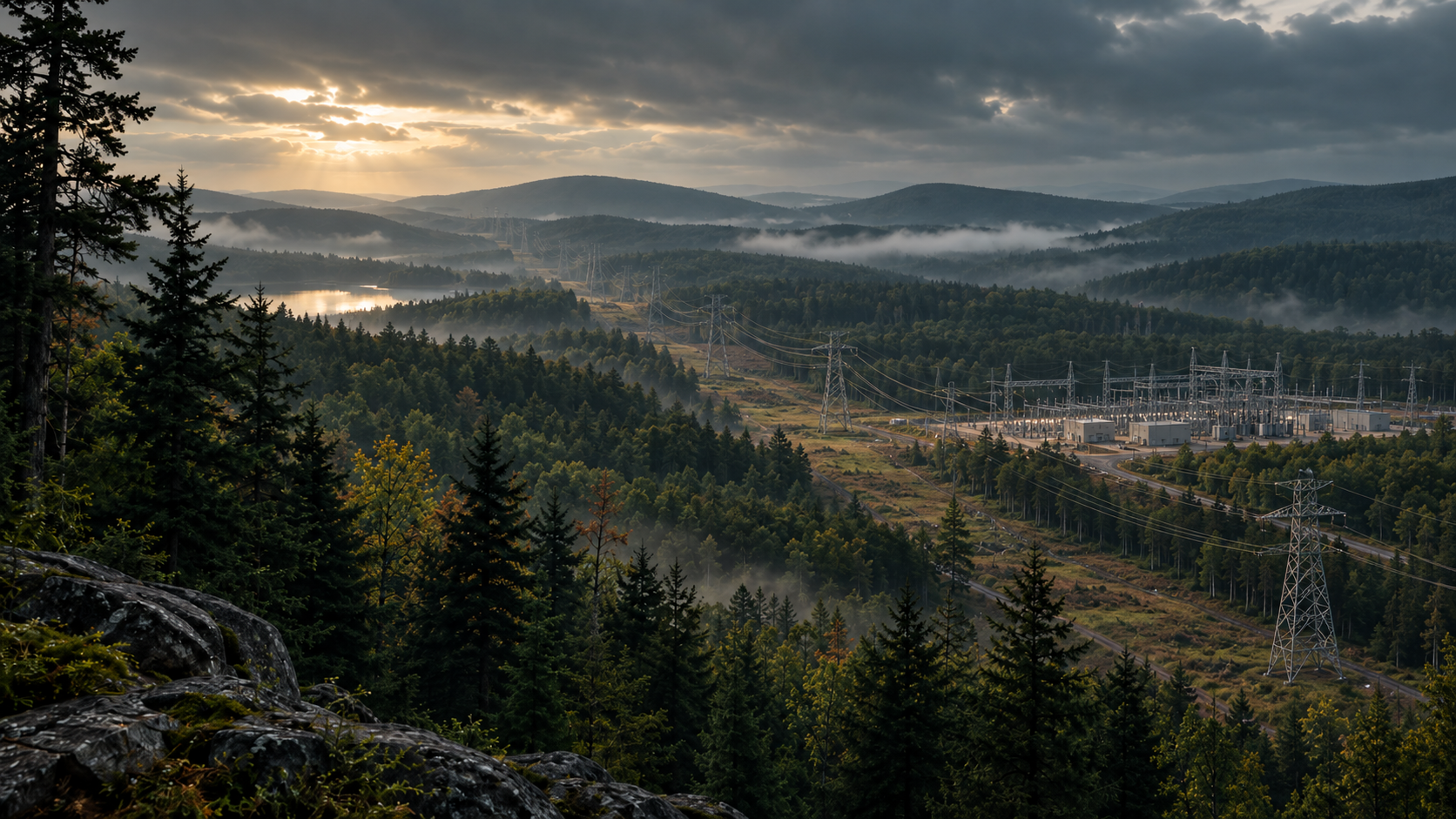
Illustration: transmission lines and a substation cutting through forest
Illustration · not a specific project or site
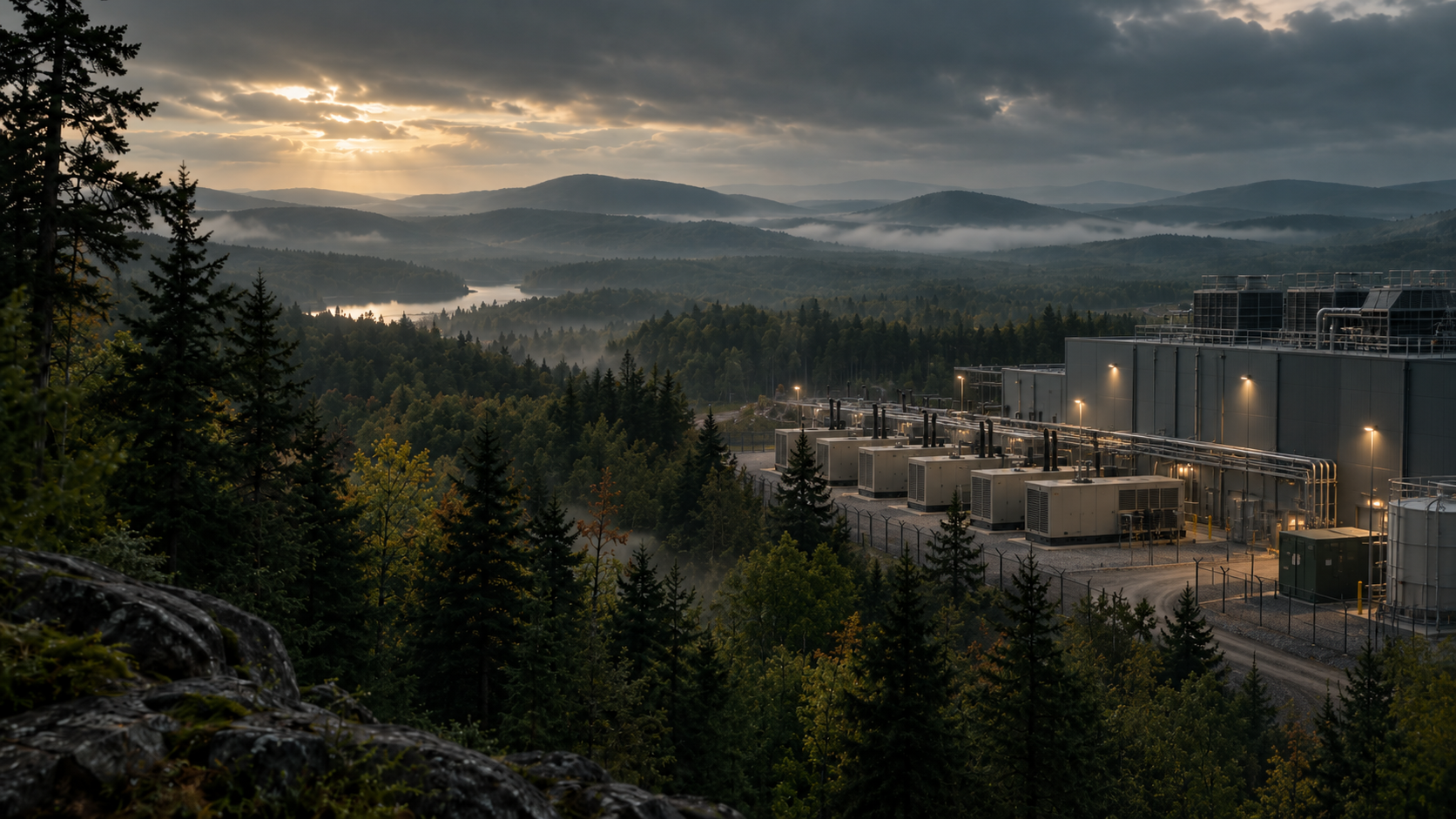
Illustration: row of backup generators beside a data center at dusk
Illustration · not a specific project or site
ISSUE 04 · NOISE & GENERATORS

Equipment that runs day and night.

Cooling and electrical equipment create ongoing mechanical noise; backup generators add intermittent noise and diesel exhaust. In a quiet rural setting, impacts fall most on the nearest neighbors.

WHAT WE KNOW
Continuous mechanical noise from cooling and electrical equipment, plus periodic generator testing and diesel exhaust.
WHAT VARIES
Actual impact depends on equipment, setbacks, barriers, topography, and how limits are monitored and enforced.
LOCAL CONTEXT
Smithfield's submitted acoustical analysis models compliance with township noise limits at nearby homes — a claim worth verifying.
Verify.
Monitor.
Enforce.
a modeled compliance study is a
starting point, not a guarantee
ISSUE 05 · COMMUNITY CHARACTER

Industrial scale in a landscape defined by nature.

The Poconos' scenery, quiet, recreation, and rural character are part of why people live here and visit. Large industrial development can permanently alter views, traffic, and the feel of surrounding areas.

WHAT WE KNOW
Large buildings, fencing, and long-term infrastructure change scenic viewsheds and traffic patterns during and after construction.
WHAT VARIES
Compatibility depends on siting relative to homes, parks, recreation, and tourism areas — some sites are far more sensitive than others.
LOCAL CONTEXT
A measurable effect on the region's tourism economy hasn't been established — but character and viewshed changes are directly at stake.
Long-term major land-use decisions can
shape a community for decades

SOURCES & LOCAL CONTEXT

Local context and reporting →
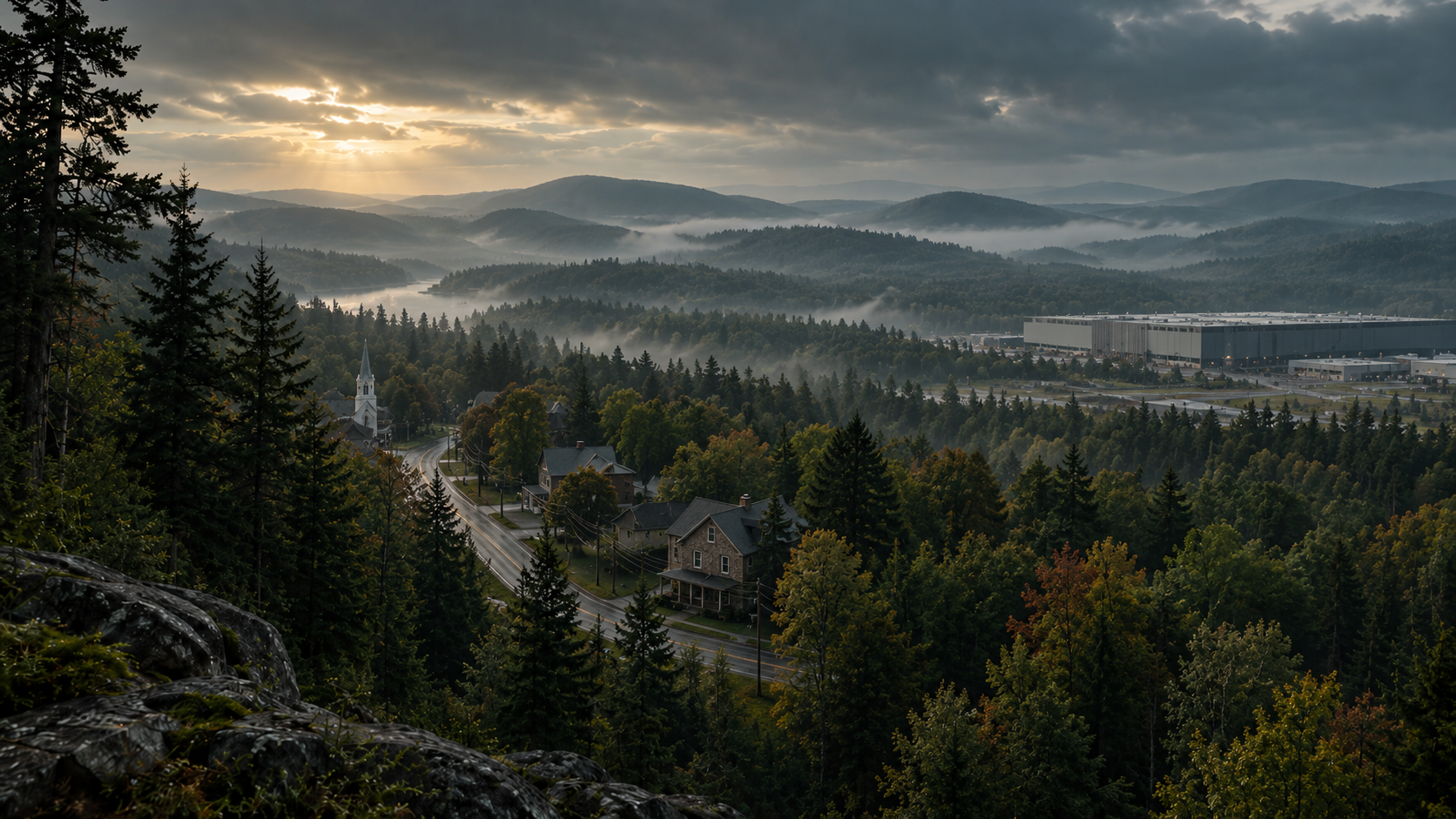
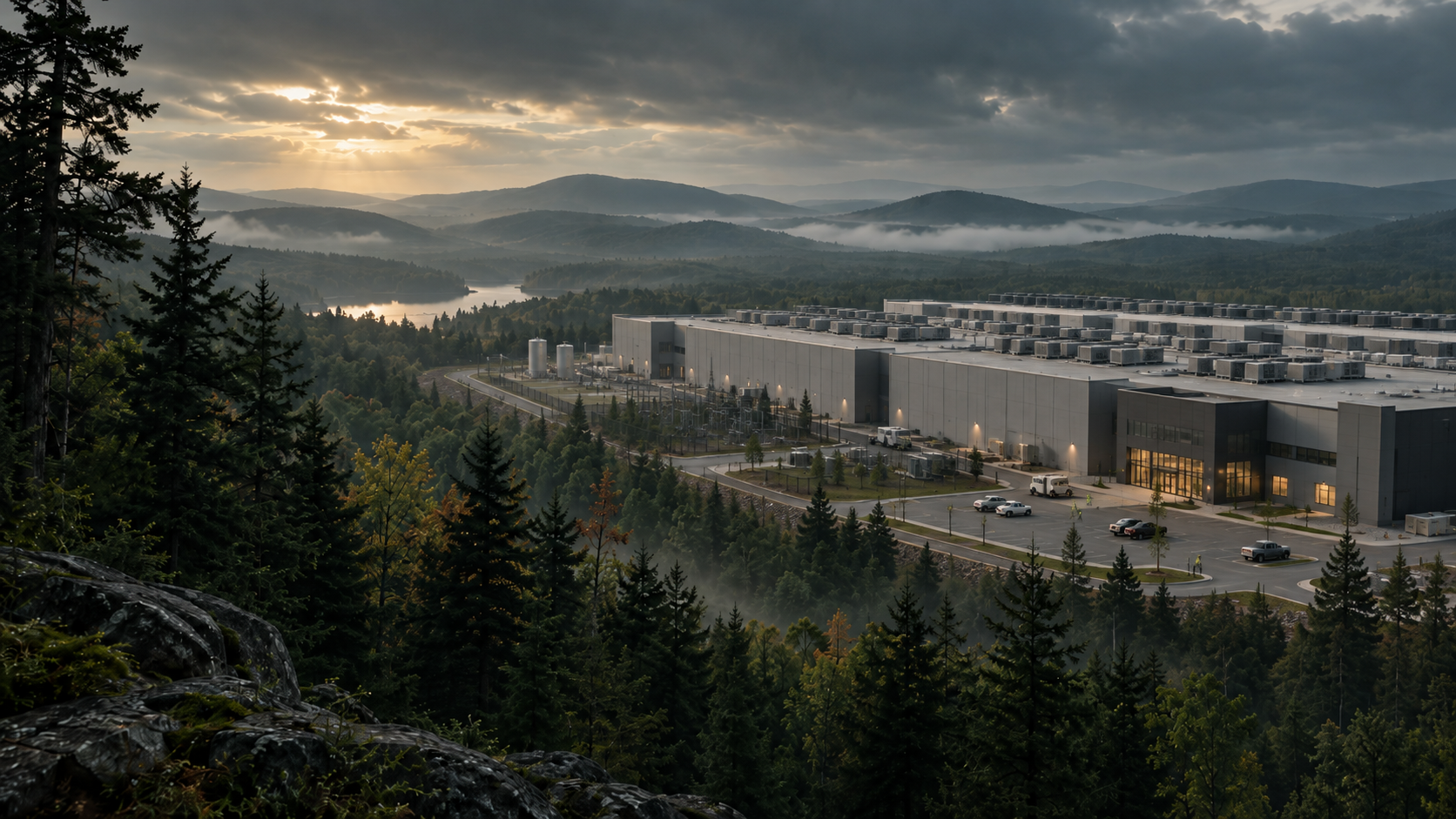
Illustration: a Pocono town with a large industrial building on the horizon
Illustration · not a specific project or site
Illustration: a sprawling data center campus with a near-empty parking lot
Illustration · not a specific project or site
ISSUE 06 · JOBS & LOCAL ECONOMY

Big investment. A smaller permanent workforce.

Data centers can generate substantial construction activity and tax revenue. But construction jobs are temporary, and modern facilities need relatively few workers once operational.

WHAT WE KNOW
Construction employment can be significant but is temporary; permanent operational staffing is typically small by comparison.
WHAT VARIES
Net tax benefit and local hiring depend on tax structure, exemptions, incentives, negotiated agreements, and infrastructure costs — none automatic.
LOCAL CONTEXT
One proposed two-story building with 500,000 sq. ft. of total floor area and a ground footprint of 250,000 sq. ft. Conditional use is not construction approval.
~60 on-site jobs estimated at Smithfield · 500,000 sq ft · 250 MW

A NOTE ON EVIDENCE

What About Health?

Health questions should focus on actual exposure: noise, diesel exhaust, construction activity and any site-specific air or water impacts. EPA identifies health risks from noise and diesel pollution, but those general findings do not establish the exposure or health outcome at a particular proposed site. Assess equipment, distance, operating schedules and monitoring together.

KNOWN
Noise and diesel exhaust can affect health at sufficient exposure levels.
SITE-SPECIFIC
Whether nearby residents experience meaningful exposure at a given project.
UNKNOWN
Long-term outcomes for communities near these proposed local facilities have not been established in the sources reviewed.

YOUR VOICE MATTERS

Understand the issues.
Then help shape the outcome.

These decisions are being made now, in local meetings and township offices. Informed residents make the difference.